 29 Jul 2026
Temporary cortisone shots were the sports medicine go-to for decades. Runner’s knee, tennis or golfer’s elbow, and rotator cuff injuries often led to a cortisone injection from the doctor if rest, ice, and anti-inflammatories didn’t help.
Athletes need to be at the top of their game. They have no time to lose, and a joint injury isn’t to be ignored. While a quick cortisone shot eases the pain enough to finish a game, series, or season, it doesn’t address the underlying problem.
Orthopedic specialists, team physicians, and sports physical therapists in Fresno are shifting from routine, temporary cortisone shots. Instead, these medical specialists are looking to treat the root cause of joint pain with natural biological treatments and targeted physical therapy.
Cortisone Use Interrupts Healing
Cortisone injections are a quick fix. Think of it this way. Your car’s tire keeps going flat, so you add air, hoping to get to your destination. It’s a quick fix that could lead to a blown tire, worsening the issue.
With a corticosteroid shot, you’re relieving the pain temporarily. The pain will return, but you may have worsened the issue in the meantime. It all comes down to how cortisone works.
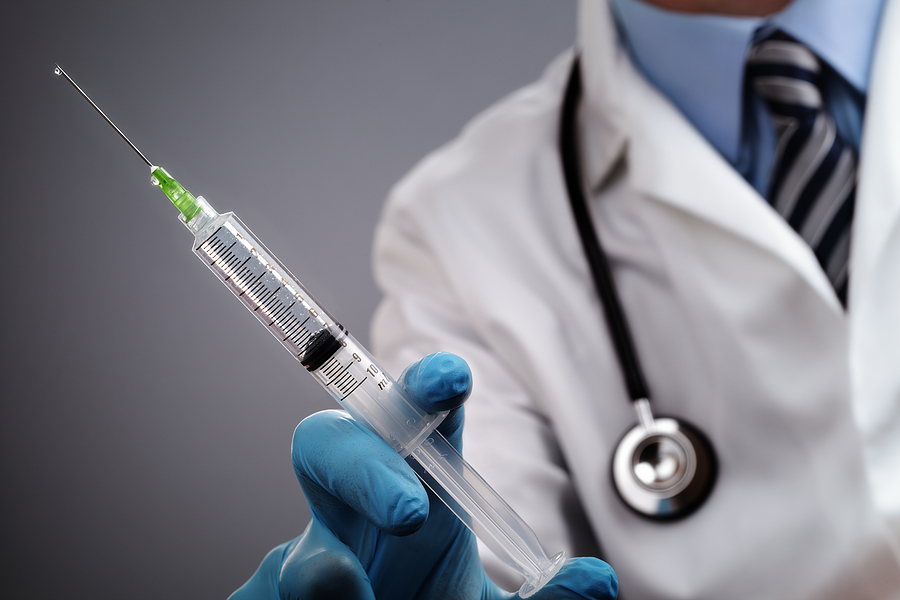
Your adrenal glands produce cortisol, a hormone that regulates inflammation in your body. Cortisone is a synthetic form of this hormone. When it’s injected into an inflamed joint, bursa, or tendon, it serves as an anti-inflammatory agent. It tells the immune system to stop, which reduces pain and swelling.
The problem is that inflammation is the first stage of healing. When you stop inflammation, you also stop collagen production, blood flow, and cellular healing. If you keep practicing or playing because you’re not feeling pain, you’re causing more damage to the cartilage and tendons.
Repeated Use of Corticosteroids Creates New Problems
There’s been a lot of research about the side effects of repeated corticosteroid use. Injection site pain is the least of your worries.
- Bone Density Loss: Injections near where bones attach create cellular death, weakening the joint structure and increasing the risk of osteoarthritis.
- Chondrotoxicity (Cartilage Damage): Chondrocytes maintain healthy joints. High concentrations of corticosteroids harm them. Repeated joint injections thin your cartilage and accelerate osteoarthritis.
- Endocrine and Metabolic Spikes: Corticosteroids can travel outside of the joints. As they enter the bloodstream, they can cause a temporary blood sugar spike, which is dangerous in people with type 2 diabetes.
- Tendon Weakening and Rupture: Cortisone impacts your fibroblasts (collagen-producing cells). When cortisone shots are administered into weight-bearing tendons, it damages the tendon’s structural integrity and can lead to a ruptured tendon.
Tendonitis vs. Tendinopathy: There’s a Difference
Another area that’s been studied is injuries with the “-itis” label, such as tendonitis. That suffix comes from Latin and means “inflammation.” The best way to treat inflammation is an anti-inflammatory.
Studies find that most chronic pain isn’t related to inflammation at all. It’s better described as “-pathy,” meaning “disorder.” Tendinopathy is a disorder caused by the breakdown of collagen, poor blood supply, micro-tearing, and poor tissue formation. Treating those issues with an anti-inflammatory makes no sense.
When an athlete receives a cortisone shot for chronic tendinopathy, that steroid stops pain but doesn’t address the rest. Collagen production and blood flow don’t improve. Healing can’t start. As soon as the athlete goes back into the game, structural failure is likely.
The Value in Allowing the Body to Heal Naturally
Instead of relying on quick fixes, athletes in Fresno need to work with sports medicine specialists who prioritize the body’s natural healing mechanism. Treatments that stimulate natural tissue repair are key.
Premium Sports & Orthopedics specializes in the following biologic-based treatments:
FDA-Approved Treatments
This outpatient treatment takes about an hour and requires up to three injections over a couple of weeks. Your blood is drawn, processed in our lab to extract the platelets, and injected into the injured joint, ligament, or tendon.
Platelets get to work releasing signaling proteins that draw stem cells, stimulate collagen production, and improve blood flow to the damaged area. It’s often used for golfer’s and tennis elbow, patellar fasciitis, patellar tendinitis, rotator cuff injuries, and skier’s thumb.
Tissue Repair Therapy
Our innovative tissue repair therapy helps with faster healing of joints, ligaments, muscles, and tendons. It takes less than two hours and requires approximately three injections over two to five days.
Your blood is drawn and processed to separate the stem cells from the rest of the components within your blood. Those stem cells are injected into the injury. Tissue repair therapy is often recommended for Achilles heel, chronic tendonitis, golfer’s/tennis elbow, and injuries to the bones, cartilage, ligaments, and tendons.
Healthier Ways to Heal for Fresno Athletes
Fresno’s high school, adult recreational, and professional athletes all share one thing in common. The area’s weather and geography take a toll on the body. Training or playing in hot weather requires a different approach than in the wet, rainy winter months.
If you’re not drinking enough to keep your body replenished, slipping around on muddy trails, or tripping over uneven terrain in a park, the risk of injury is great. While cortisone shots relieve pain and get you back on the field, path, or court, they don’t address the injury. Continue playing, and the injury worsens.
Guidance for High School Athletes
High school athletes haven’t fully developed. Injecting a developing joint with corticosteroids can cause permanent tissue damage, ending an athletic career long before necessary. Rest and biomechanical training are a safer, more effective option.
Guidance for Professional Athletes and Adults Engaging in Recreational Activities
Your joints may be fully developed, but age and time also start to wear the cartilage through daily repetitive motions. The older you are, the higher the risk of osteoarthritis. Cortisone shots increase that risk. Regenerative treatments are a safer, effective way of promoting healing and long-term joint stability.
Guidance for Outdoor Enthusiasts
Fresno’s proximity to the mountains brings out the athletic side of all ages. Whether you’re hiking in Yosemite or biking the Lewis S. Eaton Trail, your knees go through a lot. Knee pain shouldn’t be treated with cortisone shots, as that increases the risk of osteoarthritis and cartilage damage. See an orthopedic specialist about biologic-based treatments.
It’s Time to Discuss Your Health With a Sports Medicine Expert
Without a thorough examination by an orthopedic specialist, it’s impossible to know exactly what your joint injury is and whether cortisone is the right treatment. It’s often not the best route to take.
If you are dealing with persistent joint or tendon pain in the Central Valley, ask your sports medicine specialist about the benefits and risks of cortisone shots. You need to know if it’s weakening your cartilage or tendons over time.
Premium Sports & Orthopedics specializes in regenerative treatments. We prioritize healing over fast relief. Schedule an appointment online and take the first step towards long-term healing that helps you stay in the game.