 19 Mar 2026
Perceptions that California is an extremely active community aren’t entirely accurate. In 2024, 1 in 5 people admitted they don’t exercise or participate in physical activity. California ranks 13th in terms of physical inactivity. Adults aged 65 or older rank 7th for physical inactivity.
It’s never too late to embrace an active lifestyle, but you must start taking steps to become active and stay that way. How you approach activity is dependent on your age and health.
California’s weather, beaches, mountains, and city attractions encourage people to spend time outside, but you need to balance those opportunities with the realities of your health and mobility. Failing to do so can put you at risk of injury.
The Challenges of Aging
As puberty comes to an end, your body doesn’t stop changing. Many changes happen during your 40s, 50s, 60s, and beyond that impact your muscle mass, joint health, and balance.
1. What Changes in Your 40s?
In your 40’s, your muscle mass starts to decline. Sarcopenia is the age-related process of losing muscle strength, mass, and function. It happens when your hormonal balance changes, you aren’t as active as you should be, or you’re not eating enough protein.
Weight lifting and an active lifestyle help prevent muscle loss. A balanced diet with plenty of protein, vitamin D supplements, and regular checkups to monitor for chronic health issues are important.
2. What Changes in Your 50s?
As you enter your 50s, decreased muscle mass is still problematic. Your metabolism also slows, which makes it harder to manage your weight. You may also struggle with bone density, especially if there’s a family history of osteoporosis.
Women often finish going through menopause in their 50s. During this time, your hormone levels change. You might notice that foods don’t taste the same. Your sleep cycles can be disrupted, making it hard to feel energetic all day. You also face decreasing bone density.
Another problem that occurs in your 50s is that injuries seem to happen more often. Healing from those injuries takes more time than it used to. This is where it’s important to work with a sports and orthopedics specialist. You might benefit from FDA-approved injections that speed up cellular repair.
3. What Changes After 60?
Balance training is essential in your 60s. Years of potential muscle mass loss can impact your balance. That creates a higher fall risk.
One fall can lead to serious injuries. The longer you’re sedentary, the harder it is to get back to your former activities.
You might also notice changes in your vision and decreased awareness of your body’s positioning. You may start stubbing your toe more often or misstep and fall. You walk more slowly and shuffle your feet rather than take heel-to-toe steps, which also affects your balance.
Our Recipe for Midlife Fitness
Your age doesn’t have to hold you back from leading an active lifestyle. Follow our “recipe” to embrace a more active life. Before you start, be sure to see your doctor to confirm you’re able to go outside and exercise, and to see if there are any activities you need to limit or avoid altogether.
1. Balance and Kinesthesia
Kinesthesia is the study of how a body moves. As you get older, the signals between your brain and joints and muscle receptors become a little slower. You may not immediately know where your ankle is while you’re stepping if you’re not looking at it. If you’re not sure, it can throw off your balance.
Fall prevention begins with balance. You need a strong, balanced core, but you also need to practice balance skills. Stand on one foot as long as you can, then switch and do the same on the other foot. You might notice one foot is stronger than the other. This indicates that your muscle groups aren’t being worked evenly.
Yoga is a great fitness program for improving balance and form.
2. Cardio
Your heart needs a cardio workout. A strong heart makes sure oxygen reaches all organs, which is essential for your health.
Cardio also helps regulate your blood pressure. If you’re prone to high blood pressure, more cardio workouts with a doctor’s guidance are key.
Brisk walks or hikes are one way to get a cardio workout. It’s essential that you work with a doctor to ensure your heart can handle whatever activity you decide to take on.
3. Flexibility
Flexibility is the ability for your muscles to lengthen properly. If they’re stiff and tight, it’s painful. You end up with increased strain on your joints, which affects other areas of your body because you often baby one joint while overusing another. Yoga and static stretching help with flexibility.
4. A Healthy Diet
Junk food is out. If you’re still eating high-sodium packaged ramen or fast food, it’s time to change. You want a healthy diet full of foods that provide muscles with protein, bones with calcium, and your cells with antioxidants.
A doctor-approved diet is a good way to start. As Fresno is an agricultural region, it’s easy to get hold of heart-healthy almonds, garlic, leafy greens, and lean proteins.
5. Hydration
Make sure you’re staying hydrated. Your joints need lubrication, and your skin needs water to keep from becoming dry and cracked.
Your thirst decreases as you age, but that doesn’t mean your body doesn’t need water. Ideally, men want around 3 liters of water a day, including water from the foods they eat. Women need around 2 liters.
6. Mobility
Mobility is the ability of a joint to move through its full range of motion. Flexibility concentrates on muscles, while mobility is all about the joints. When you can reach a high cabinet without falling or bend over to tie your shoes without sharp pain, it helps prevent many risky injuries.
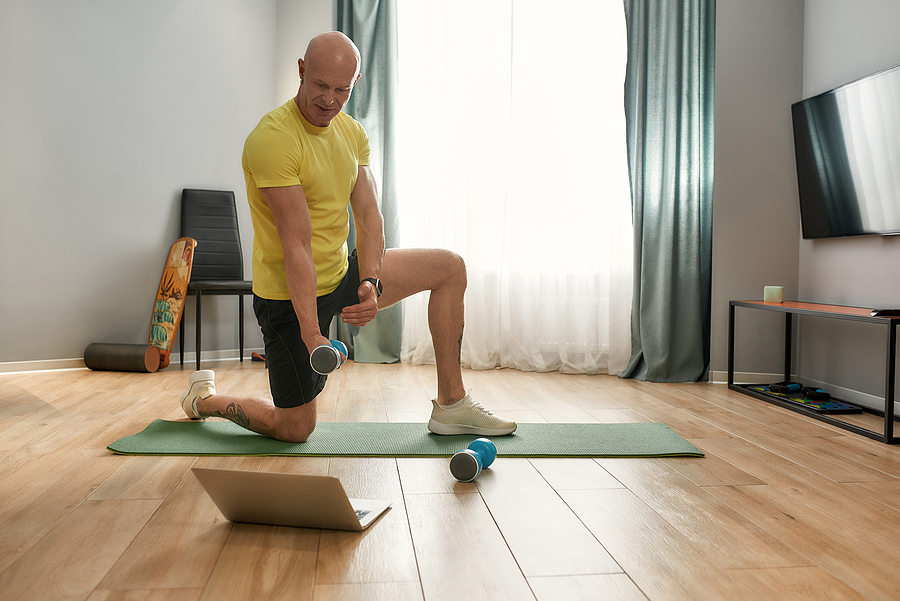
7. Strength Training
Strength training improves muscle health and strengthens your bones. It’s important for preventing osteoporosis or weak bones that break easily during a fall or when banging into something. Ask about EMS training that works muscles more efficiently.
8. Supportive Footwear
Finally, even with the strongest muscles and joints, your feet take the brunt of the impact with each step, jog, or jump. If your shoes don’t cushion the blow, injuries occur. A professional shoe fitting makes a big difference in preventing conditions like plantar fasciitis.
Use the Surrounding Area to Your Advantage
Fresno offers everything from urban paths to mountain trails. They range from beginner to experienced. Choose trails and walking paths that match your ability. We’ve listed a few of our favorite easy trails.
- Glacier Point Trail in Yosemite National Park – At just over ½ mile, this easy trail offers panoramic views and has rocks where you can sit and rest.
- Kings Canyon Panoramic Point in Kings Canyon National Park – At half a mile, this isn’t a challenging trail. It does have a slight elevation gain, but it’s not taxing and takes about 15 minutes to complete.
- Lower Yosemite Falls Trail in Yosemite National Park – If you can handle a walk that’s just over a mile, this flat trail takes you to an ideal spot for viewing the lower portion of the waterfall. It’s a dog-friendly trail if you keep your dog on a leash.
- Old Town Clovis Trail in Clovis, CA – Travel through Clovis on a wide, paved, even rail trail that’s stroller, wheelchair, and bike friendly. Dogs are also welcome, provided you keep them on a leash. At over 9 miles, this trail is great for longer walks.
- Tenya Lake Trail in Yosemite National Park – Work your way to a full 3 ½ mile hike that has small slopes. It brings you out to Tenya Lake.
- Woodward Park – Consider starting your increased activity here. It’s a spacious park with the lakeside Lewis S Eaton Trail. We also recommend visiting the Japanese Shinzen Friendship Garden or playing disc golf during your visit.
There’s so much to do and see in Fresno. Start by making an appointment with Premium Sports & Orthopedics. Work with our team to improve balance, range of motion, and joint health. As you improve your strength and stamina, start hitting the trails for exercise in nature.