 16 Mar 2026
Between 1996 and 2006, the number of rotator cuff repairs increased by 141%. In that time, there was a substantial shift from inpatient surgeries to outpatient procedures.
Knee surgeries doubled between 1999 and 2009, often to treat osteoarthritis.
Times are changing. Surgery comes with risks ranging from infection to implant loosening. Instead of immediately jumping to surgical repairs, non-surgical options are becoming the preferred treatment for knee and shoulder injuries.
Know the Common Knee and Shoulder Injuries
It’s estimated that 1 in 4 adults experiences knee pain, accounting for about 4 million visits to a primary care physician each year. That pain typically leads to a diagnosis of one of the following injuries or conditions.
- ACL tears – The anterior cruciate ligament may tear when you suddenly stop or rapidly change direction, often during a game like basketball.
- Iliotibial band syndrome – This tendon becomes inflamed from overuse, often due to repeated bending motions in cycling or running.
- Jumper’s Knee (Patellar tendinitis) – The tendon connecting the shinbone to the kneecap becomes inflamed from repeated jumping or running.
- Ligament sprains (LCL or MCL) – The ligaments supporting the side of the knee are sprained when you suddenly twist, causing pain and swelling. This injury also makes the knee less stable.
- Medial plica syndrome – Repeat movements, overuse, and trauma may lead to thickening of the medial synovial fold within the knee, causing sharp pain and tenderness.
- Meniscal tear – Tears in the cartilage between the shin and thigh bones that absorbs shock when you squat, twist, or experience age-related osteoarthritis.
- Osteoarthritis – A common condition in older adults, where use of the knee over the years wears away the protective cartilage in the joint.
- Patellar subluxation or dislocation – The kneecap slips out of its groove. It may or may not return to its proper position, causing pain, swelling, and loss of mobility in severe cases.
- Pes anserine bursitis – The bursa within the knee becomes inflamed due to conditions like osteoarthritis, overuse, or obesity, leading to pain and swelling.
- Runner’s Knee (Patellofemoral pain syndrome) – An overuse injury caused by friction between the thigh bone and kneecap, often caused by running.
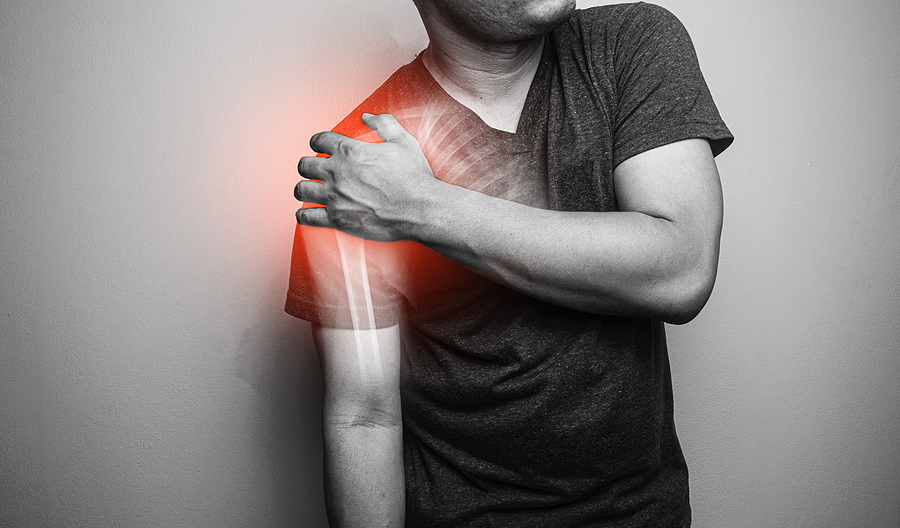
Shoulder injuries are estimated to affect about 6.69 million people in the U.S. each year. The most common of these are:
- Frozen shoulder – The shoulder capsule thickens, creating pain and stiffness.
- Labral tears – Cartilage within the shoulder socket is damaged, often caused by repetitive overhead or throwing motions.
- Osteoarthritis – Shoulder cartilage degrades due to use over the years.
- Rotator cuff tears or tendinitis – Inflammation or tears of the tendons and muscles that stabilize your shoulder joint.
- Shoulder dislocation or instability – The humerus pops out of the shoulder socket.
- Shoulder impingement – The top of the shoulder blade rubs on the fluid sac (bursa) and rotator cuff tendon, causing pain and inflammation.
- Shoulder or collarbone fracture – A fracture of the bone due to osteoporosis and/or a fall where you land on your shoulder.
Non-Surgical Options and What They Focus On
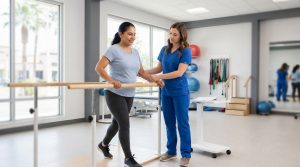
Physical therapy is a good way to strengthen your muscles, which in turn strengthens your joints. These repetitive, strength-building exercise plans are developed with your specific needs in mind. As your joints and muscles grow stronger and provide better balance and range of motion, additional exercise routines are added.
EMS training is a quick, effective way to strengthen your muscles by ensuring each movement offers maximum benefits. An electrical signal travels to the muscle as you move, causing a contraction that activates your muscle fibers.
Your EMS workout involves wearing a suit with small electrodes that send pulses to the targeted area while you perform exercises for about 20 minutes once or twice a week.
FDA-approved biologic and PRP treatments help repair tissue damage. If you’re dealing with knee or shoulder pain from minor tears or tendonitis, injections of your body’s own plasma or prepared blood cells promote tissue repair.
- Biologic-based therapy requires two or three injections over one or two weeks.
- Tissue repair therapy requires three injections over a two to five-day period.
The exact treatment period for biologic and PRP treatments depends on your injury or condition. A doctor goes over the best schedule. You can be in and out of the office in a couple of hours with either treatment.
Minor joint pain is often eased using massage techniques. Loosening the muscle with pressure or water massage eases pain and improves mobility. It’s a helpful way to ease pain and gain the benefits of increased activity.
Lifestyle Changes That You Shouldn’t Ignore
Two things stand out as the most important lifestyle changes you can make to help your joints. If you’re overweight, every extra 10 pounds puts up to 50 pounds of additional force on your knees. If you’re 20 pounds overweight, the force increases. That leads to faster wear and tear of your ankle and knee joints.
Shedding just 10 pounds is a start and helps lighten the load your joints carry, but fad diets rarely work and can create frustration and disappointment. Even if you start strong, you hit a plateau that destroys your motivation.
Losing weight and keeping it off shouldn’t be something you do on your own. A doctor-developed weight loss program that provides the support you need to keep going is essential. Having a supportive team is the best way to lose weight and ensure the pounds don’t creep back.
It’s also important to make sure your weekly meal plans focus on anti-inflammatory foods like leafy greens, fatty fish, berries, and other foods that contain antioxidants and omega-3s. Turmeric is a spice that you should use as much as you can.
It’s flu and cold season, which can impact your diet. IV therapy is a helpful way to restore your electrolytes, fluids, and essential vitamins and minerals.
When Is Surgery the Best Option?
Sometimes, surgery is necessary. If months have passed and the pain or limited mobility/use haven’t improved, it may be time to discuss surgical repairs. Other situations where surgery is often recommended are:
- A shoulder injury leads to numbness or weakness in the hand or arm.
- Severe joint wear from arthritis or a similar condition is preventing daily mobility.
- Sudden, traumatic injuries such as a displaced fracture, ACL rupture, or severely torn rotator cuff.
- The joint becomes unstable and pops out of place repeatedly.
- The joint cannot straighten because of cartilage or a loose body (a bone fragment) stuck in it.
Working with an orthopedist helps you treat joint injuries and pain effectively and efficiently. Often, this involves using non-surgical methods and avoiding surgery.
Premium Sports & Orthopedics emphasizes non-surgical treatments and alternative options. While surgery can sometimes be the best choice, it should be a last resort and not the default care approach. Schedule an appointment to relieve joint pain without the need for costly, potentially risky surgery and a much longer recovery time.