 30 Mar 2026
Injuries carry more weight than physical pain. There’s also the mental toll of having to stop doing what you love and give your body time to heal properly. Each passing day makes you feel trapped. How far back are you going to slide? Can’t you just push a little harder and get back on the field or court faster than expected?
Rushing your recovery increases the risk of reinjury. In a study of 1,239 patients with ACL injuries, 18% experienced reinjury. Those who went back into high-risk activities were more likely to suffer a reinjury.
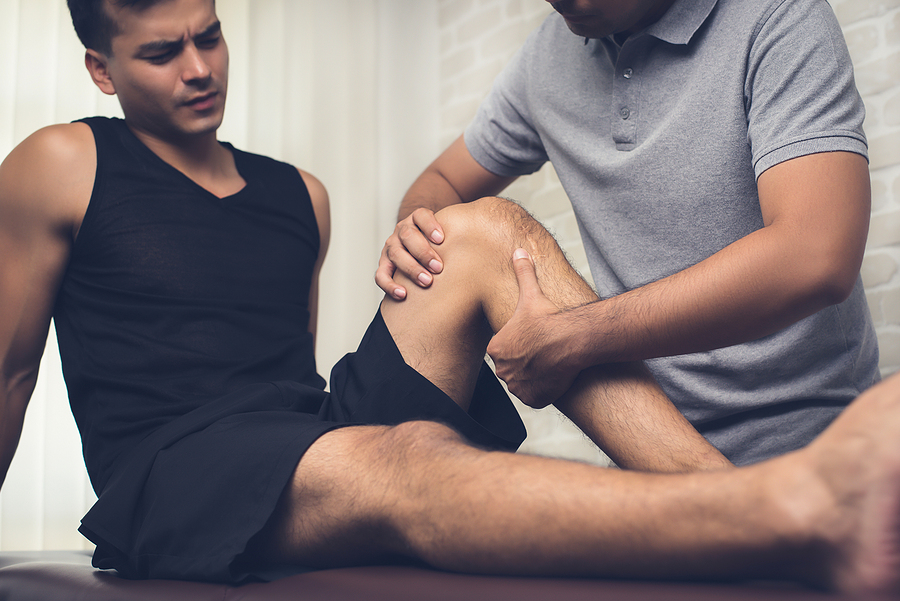
You can get back to your favorite activity, but you need to do so safely. That means following your sports and orthopedic specialist’s instructions and working with a physical therapist for as long as is recommended.
Understanding the Stages of Tissue Repair
Before you jump into training, you need to understand how tissue repairs itself. It’s a three-stage process.
1. Inflammatory Phase (Up to 5 days)
Immediately after your injury, inflammation occurs. Blood flows to the injured area to deliver healing white blood cells that remove damaged tissue. Pain, redness, and swelling are key signs of inflammation.
Right now, you should avoid using the infected joint. You risk causing long-term inflammation or loosening a new blood clot. Instead, focus on unaffected limbs. If you sprained your right ankle, work on your upper body for now.
2. Proliferation Phase (Up to 16 days)
After the damaged tissue is removed, fibroblasts begin laying down new fibers to reconnect the broken tissue. It’s not as strong as the original tissue, but it serves as a temporary patch that helps you reach the final stage of recovery.
Now is the time to start working the injured area very gradually with light exercises. If you feel any pain, you’ve worked the area too hard. You don’t want to force it and cause reinjury.
3. Remodeling Phase (Takes Weeks)
This is the longest stage, and one where athletes often want to quit and get back to their sport. Recovery can take weeks or even months. You must keep going and gradually return to your previous activities. If you do too much, too fast, you’ll damage the healing tissue and have to start over.
Start with light-weight activities and increase the complexity each week. If you notice any pain, stop and return to lower speeds and weights until you can work that area without pain.
Mistakes Sidelined Athletes Make
When an injury sidelines an athlete, the psychological impact is often harder to overcome than the injury itself. Being sidelined from the team’s games and practices is stressful and can feel isolating. It can lead to pushing too hard, resulting in longer recovery times and reinjury. Avoid these common recovery pitfalls.
1. Believing Pain Is Something to Beat
Remember the adage, “No Pain, No Gain.” It’s something many adults heard in middle or high school. Times have changed, and pushing through the pain can cause lasting physical damage.
If you’re feeling pain when you move that joint or injured area, it’s not ready to return to the game yet. You need to slow down and gradually regain strength and range of motion.
There’s another reason to avoid pushing through the pain. It can make you afraid to move. When you move a certain way, you feel pain, so you start putting more weight on the other leg. It eases the pain, but now you’re working one muscle group more than another, which can lead to imbalances.
2. Failing to Listen to the Body’s Cues
Listen to your body’s cues as you complete the recommended post-injury workouts. If you feel sharp pain, stop and talk to your sports and orthopedic doctor. If you feel dull aches or stiffness, adjust the weight, speed, or reach and try again. See if that’s better.
How do you feel the next day? If you’re extremely sore, you may have worked too hard. Slow down a bit. Most importantly, work closely with a physical therapist. A PT is trained in the body’s physiology and knows how to work the affected area without causing more problems.
3. Ignoring an Adaptive Fitness Mindset
Adaptive fitness is a framework for modifying activities to match your cognitive, physical, and sensory needs. After an injury, your muscles will not be the same. Instead of powering through old routines, it’s time to adapt your fitness program to meet you where you currently are by using:
- Environmental Modification: After a torn ACL, it’s painful to stand on that leg for more than 10 minutes. Consider doing your exercises in a pool for now to take advantage of the water’s buoyancy and reduce some of the stress on your knee.
- Equipment Modification: If you injure your back and need solid support, a recumbent bike or rowing machine with a full seat and high back is better during your recovery.
- Movement Modification: You can’t move the way you used to right now. It’s important to learn movements that strengthen your muscles and joints without overtraining one side. Balanced movements and exercises are key.
4. Missing Opportunities to Explore New Activities
You injured your ankle during a tennis match. Why not try something new while your ankle heals? You can still work out and participate in other activities. Instead of tennis, you could try something that relies more on the upper body, like kayaking.
5. Relying on NSAIDs
Over-the-counter NSAIDs help reduce inflammation, but they also mask pain. They make you feel better than you actually are. You might start relying on them to get through a physical therapy session, but it removes the important biofeedback mechanism that tells you when you’re pushing too hard.
Another reason to monitor NSAID use is that excessive ibuprofen can harm kidney health, and acetaminophen affects liver health. It’s better to use massage, heat, and ice to manage pain.
6. Skipping Nutritional Support During a Recovery
Your healing tissues need nutritional support. If you’re not good at meal planning or creating a balanced meal, ask for help. A dietitian offers guidance on high-protein, antioxidant-rich meals that support cell recovery. You might also benefit from IV drip therapy that supports muscle health or reduces cell damage.
Follow a Phased Return Plan
It’s important to follow a phased return plan that gradually helps you regain strength while giving your muscles, ligaments, tendons, and bones time to heal properly. Gradual strength training and recovery are crucial for preventing reinjury.
Premium Sports & Orthopedics provides expert, holistic orthopedic and sports-injury treatment for Fresno athletes. Our care team diagnoses your injury and creates a phased return plan to ensure you’re back in action quickly, safely, and effectively.