 16 Apr 2025
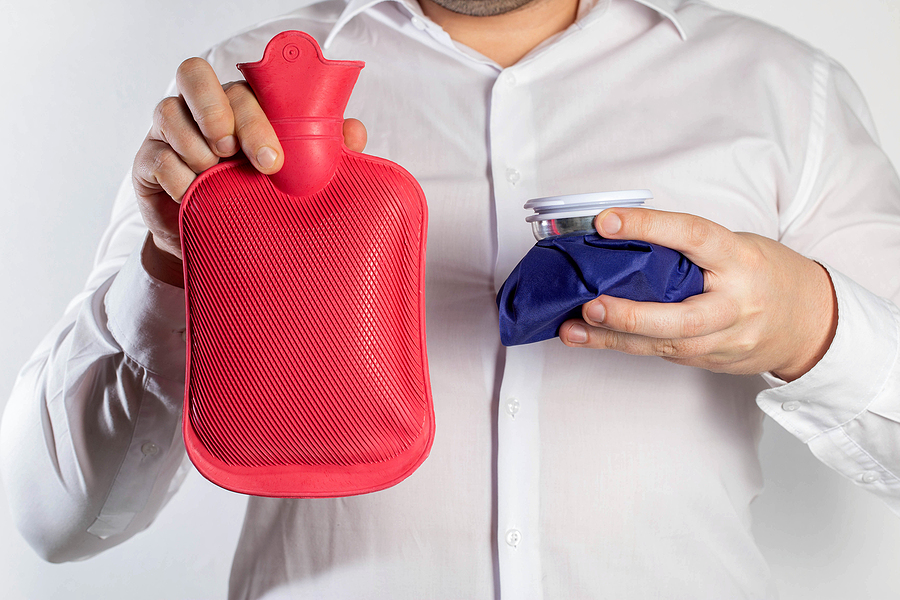
Growing up, you’ve heard to ice your injuries. Yet, for some of your aches and pains, your doctor tells you to use warm compresses. Your aches worsen when exposed to cold, so you want to get a heating pad, but you’re not sure that’s correct either. Which is right? When you have an injury, do you grab an ice pack or a warm compress?
Premium Sports & Orthopedics‘s guide covering cold therapy and hot therapy helps you understand the benefits of icing an injury versus applying heat. Both are great options for easing pain after an injury, but they’re not interchangeable options for certain kinds of strains, sprains, and pains.
The Value of Cold Therapy for Treating Injuries
While walking in the woods, you twisted your ankle or wrenched your knee. You were playing basketball with friends in a pick-up game and experienced shoulder pain when you took a shot. Or, you were lifting bags of garden soil into your garden and strained your back. With so many possible injuries, it’s important to take care of them to prevent excessive damage.
Cold packs, bags of frozen peas, or an ice pack all help constrict blood vessels in the injured area. It’s a process known as vasoconstriction and is incredibly helpful in the first one to three days of an injury. The benefits of ice packs or cold compresses are:
- Decreases pain – Cold numbs the nerve endings for temporary relief from pain.
- Lessens bruising – Vasoconstriction slows blood from flowing to the injured area, which stops the flow of blood to surrounding tissue. It’s that leaked blood that creates the bruises you see.
- Reduces inflammation – Cold slows blood and fluids to the injured area, which helps ease swelling, which also helps with pain and tissue damage.
- Slows metabolic activity – An injury requires more oxygen and nutrients in order to heal, but cold slows that requirement to reduce the risk of damage from a fast increase in oxygen supply.
- Stops hot, burning sensations – Following a sprain, a hot, burning sensation is possible as blood flow increases to the injured area. Ice packs slow the blood flow and ease that type of discomfort.
When to Get an Ice Pack:
How do you know when an ice pack is best? It’s the first thing to grab when you have a new injury that’s bruising, hot, painful, and swollen. Common injuries that meet these symptoms are:
- Bone contusions, bumps and bruises
- Flare-ups of conditions like bursitis or tendonitis
- Head injuries (See a doctor to rule out concussion!)
- Post-workout muscle aches
- Strain after lifting heavy items or with strenuous activity
When you apply ice packs, wrap it in a washcloth to avoid freezing the tissue. You do not want to move from one injury to a case of frostbite. Place it on the affected area for 15 to 20 minutes and then remove it.
Repeat this process every couple of hours. While you do, watch your skin for redness, excessive pain, or a numb, tingling feeling, which all indicate you need to add more of a barrier or remove the ice pack more often.
When Is a Warm Compress or Heat Pad Better?
That covers when you should apply an ice pack, frozen peas, or something else that’s cold and helps constrict your blood vessels. What about heat?
Heat therapy does the opposite of cold therapy. Instead of constricting blood vessels, it causes them to dilate. It increases blood flow to the affected area. It’s beneficial, but not for immediate injuries. It’s better for chronic conditions or for injuries that are already healing. There are many benefits of heat therapy.
- Boosts tissue elasticity – When tissues are warm, they are more elastic, which eases stiffness and improves range of motion.
- Eases pain – Warmth is comforting, and with the increased tissue and muscle flexibility, pain decreases.
- Increased blood flow – It increases circulation, which helps oxygen and nutrients make it to the injured tissue and promotes healing.
- Relaxes sore muscles – The application of heat helps relax tight muscles, which eases pain and stiffness.
When to Get a Heat Pack:
How do you know when a heat pack is better than ice? A good rule of thumb is to only use heat when swelling isn’t involved.
- Chronic pain – Painful chronic conditions like chronic back pain or arthritis are better treated with heat.
- Delayed muscle soreness – Muscle pain that appears a day or two after a heavy workout or strenuous activity is best treated with heat.
- Injuries in the late stages – After an injury has started to heal and the swelling is gone, heat can help. Switch back to ice if swelling returns and schedule an appointment with your doctor.
- Stiff joints – Joints that get stiff due to arthritis or after intense activity are helped by heat.
- Tension headaches – Headaches that come with tension are often eased by applying warmth to the back of the neck or forehead.
Like ice therapy, heat therapy must be done carefully. Do not put a heating pad or hot pack directly on the skin. Use a washcloth or kitchen towel to prevent burns. Also, use heat for 15 to 20 minutes and then take a break for an hour or two.
Watch your skin for redness or signs of burning. If they’re present, add more of a barrier or stop applying heat.
Never use heat on an area that is swelling. It will increase swelling, which increases your discomfort. This is the most important thing to remember. If there’s any swelling, rely on cold therapy until all swelling is gone.
Seek Professional Advice if You’re on the Fence Between Options
Are you not sure whether heat or ice therapies are better? Some injuries make it hard to decide. When you’re on the fence, it’s best to talk to a sports and orthopedics specialist and get advice that’s specific to the injury you have.
Get a professional diagnosis. Don’t try to self-diagnose and hope for the best. If you’re wrong, you could worsen the injury and require much more time to heal.
Premium Sports and Orthopedics offers a number of treatment options that help ease pain while accelerating healing. Arrange a consultation with our doctor to get the best advice on how to proceed with treating your injury to ensure you heal correctly and prevent reinjury down the road.