 03 Nov 2026
Hip pain doesn’t always begin where you feel it. A proper hip pain diagnosis in Fresno starts with a clinician reviewing your symptoms and medical history, then examining how your hip moves and functions. If more detail is needed, imaging such as an X-ray, CT scan, or MRI can help identify structural changes or damage.
Pain that spreads to the thigh, knee, or lower back can make the cause difficult to pinpoint. Stiffness, clicking, limping, or discomfort while walking can add to the uncertainty. A careful evaluation considers these clues together rather than relying on one symptom alone.
In this guide, you’ll learn how clinicians at Premium Sports & Orthopedic Center assess possible causes, what to expect during a physical examination, and when imaging may help clarify a diagnosis. Knowing what to expect can make your next step easier and help you have a focused conversation about comfort and mobility.
Key Takeaways
- Track where the pain travels, when it began, and what movements make it worse; these clues help shape the evaluation.
- Hip discomfort can stem from arthritis, injury, or overuse, and symptoms may show up beyond the hip itself.
- A physical exam may assess your walking pattern and hip movement, while imaging can help reveal structural changes.
- Severe pain after an injury or a suspected fracture or dislocation calls for prompt medical attention.
How is hip pain diagnosed?
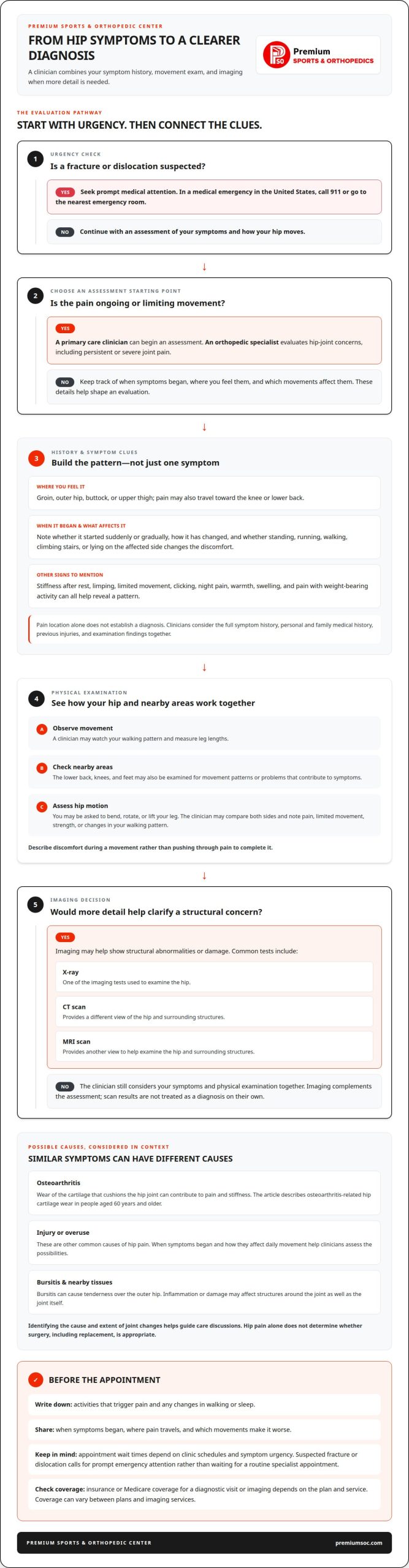
A hip pain diagnosis in Clovis starts with your symptoms and medical history, followed by an examination. The clinician considers where the pain occurs, what brings it on, and how it affects your movement.
Hip Pain Signs and Symptoms
Notice whether discomfort is in your groin, outer hip, buttock, or upper thigh, or travels toward your knee or lower back. Stiffness after rest, pain with weight-bearing activities such as walking or climbing stairs, limping, and limited movement can help reveal a pattern. Clicking, night pain, warmth, or swelling are also useful details to report.
Medical History and Symptom Assessment
Describe when symptoms began, whether they appeared suddenly or gradually, and how they have changed. An orthopedic assessment may also consider pain location, severity, timing, personal and family medical history, and previous injuries. For example, note whether standing, running, or lying on the affected side changes your discomfort.
Choosing care: A suspected fracture or dislocation needs prompt medical attention; for a medical emergency in the United States, call 911 or go to the nearest emergency room. For ongoing or movement-limiting pain, a primary care clinician can begin an assessment, while an orthopedic specialist evaluates hip-joint concerns.
Insurance and Medicare: Coverage for a diagnostic visit or imaging depends on your plan and the service involved. Review your benefits with your insurer or Medicare plan before scheduling, since coverage can vary between plans and imaging services.
Finding a Fresno clinician: Primary care clinicians and orthopedic specialists can assess hip symptoms. Orthopedic care focuses on bones, joints, and movement-related concerns. Choose based on whether you need an initial assessment or evaluation of persistent or severe joint pain.
Appointment timing: Wait times depend on clinic schedules and the urgency of your symptoms. If you suspect a fracture or dislocation, seek prompt emergency attention rather than waiting for a routine specialist appointment.
Before your visit, write down which activities trigger pain and any changes in your walking or sleep. These details help connect your symptoms with the examination and guide decisions about whether imaging may be useful.
Osteoarthritis and other causes of hip pain
Hip pain may stem from arthritis, an injury, or overuse, and similar symptoms can have different causes. An evaluation considers where the discomfort occurs and what may be affecting the joint or nearby tissue.
Osteoarthritis as a Cause
Osteoarthritis involves wear of the cartilage that cushions the hip joint, which can contribute to pain and stiffness. Osteoarthritis-related hip cartilage wear affects people aged 60 years and older. Cleveland Clinic says hip arthritis is the most common cause of hip symptoms that may lead someone to consider hip replacement. That does not mean replacement is the automatic next step; identifying the cause helps guide decisions about care.
Other Hip Conditions and Causes
Injury and overuse are other common causes of hip pain. Bursitis can cause tenderness over the outer hip, while pain may also occur in the groin, buttock, or upper thigh. These patterns give clinicians useful clues, but pain location alone does not establish a diagnosis. They consider your full symptom history and examination to distinguish possible causes.
For example, discomfort after repeated activity may suggest overuse, while pain following an injury raises a different concern. Inflammation or damage can affect structures around the joint as well as the joint itself. Comparing when pain began, where it occurs, and how it affects daily movement helps narrow the possibilities without assuming every hip problem is osteoarthritis.
The cause matters because the next steps vary. Some conditions are managed without surgery, while severe damage may prompt a discussion of surgical options, including replacement. The diagnosis and extent of joint changes inform that discussion; hip pain alone does not determine whether surgery is appropriate.
If persistent joint discomfort is limiting movement, orthopedic care can support a focused evaluation of possible causes and next steps.
Physical examination and diagnostic imaging
At an appointment, clinicians combine a physical examination with imaging when more detail is needed. Common imaging tests for hip pain include X-rays, CT scans, and MRI scans, which can reveal structural abnormalities or damage.
Physical Examination
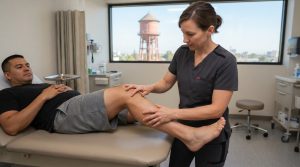
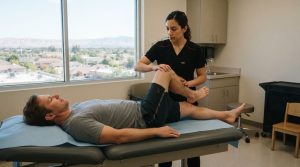
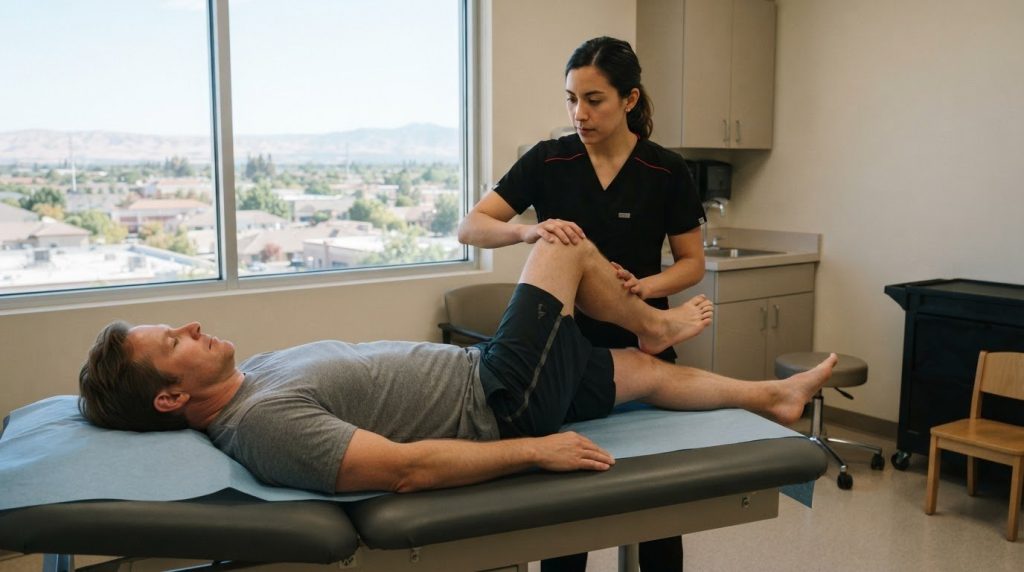
The examination looks at how your hip and nearby areas work together. A clinician may observe your walk, measure leg lengths, and examine your lower back, knees, and feet. These checks can reveal movement patterns or nearby problems that may contribute to hip symptoms. Mention any severe discomfort during a particular movement so the clinician can interpret the findings in context.
Range of Motion Assessment
To assess your range of motion, the clinician may ask you to bend, rotate, or lift your leg. Any limited or painful movement provides useful information about hip function. The clinician may compare both sides and observe whether your strength or walking pattern changes as you move. Describe what you feel rather than pushing through pain to complete a movement.
Diagnostic Imaging and Tests
X-rays, CT scans, and MRI scans can help show structural abnormalities or damage. Each produces a different view of the hip, allowing clinicians to examine the joint and surrounding structures. Imaging complements the physical examination. Results are considered alongside your symptoms and movement findings, not treated as a diagnosis on their own.
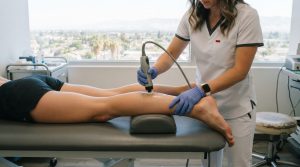
The findings help determine what should happen next. For example, imaging may add detail when the examination suggests a structural concern, while movement limitations can guide attention to function and strength. If your evaluation points toward restoring mobility, physical therapy can be part of a care plan focused on movement and strength.
Hip pain evaluation and diagnosis
Hip pain can follow an injury, overuse, arthritis, or inflammation. Clinicians assess it by matching your symptom history and examination findings with imaging when needed. Together, these details help identify the likely source and shape a treatment plan.
A useful evaluation connects findings rather than treating one clue as the answer. For example, pain and stiffness alongside changes in joint movement can point toward a joint problem, while tenderness over the outer hip can suggest bursitis. The clinician weighs your symptoms, their progression, examination results, and images together. This distinction matters because similar discomfort can come from different tissues.
Imaging provides evidence, not a stand-alone decision. An X-ray, CT scan, or MRI can show structural changes, but clinicians interpret those images alongside your symptoms and function. If an image shows a change that doesn’t match your experience, that difference should be considered before selecting care. The goal is a diagnosis that explains both your daily limitations and examination findings.
The next decision depends on the cause, pain persistence, and joint condition. Cleveland Clinic says hip replacement may be considered for constant pain, particularly when other treatments haven’t worked. It also describes hip preservation surgery as an option when the painful area has healthy cartilage; socket coverage can matter in conditions such as hip dysplasia. These are distinct decisions, not automatic results of an imaging finding.
A clear plan should connect the diagnosis to specific goals, such as easing pain or improving walking tolerance. Ask how each recommended step relates to the findings, what change it aims to address, and how progress will be assessed. Early diagnosis and treatment usually lead to a better outcome, making timely evaluation useful when pain persists or function changes.
If tissue recovery is part of your care goals, explore joint tissue repair therapy as a treatment option.
Premium Sports & Orthopedic Center: Knee Pain
Premium Sports & Orthopedic Center provides orthopedic care and sports medicine consultations for people managing pain and movement concerns in the Fresno area, including Clovis. After learning how hip pain is evaluated, these services offer a practical next step to discuss symptoms that affect activity, mobility, or everyday comfort. A consultation can help you review your concerns and consider a direction for care.
Orthopedic care also addresses related musculoskeletal concerns, including knee, back, leg, and hand pain. If discomfort changes how you walk or limits your usual activities, sharing those effects can guide a focused conversation about your needs and goals.
Contact Premium Sports & Orthopedic Center or visit premiumsoc.com to take the next step.
Take the Next Step Toward Moving With Confidence
A hip pain diagnosis in Fresno can help turn uncertainty into a focused conversation about your goals. Before your next visit, consider what you most want to return to, whether that’s walking comfortably, enjoying an active routine, or managing daily tasks with less disruption. Sharing that priority can help keep care discussions centered on the activities that matter to you.
Premium Sports & Orthopedic Center offers care for knee pain, back pain, and leg pain. If pain in these areas also affects your movement, discussing those concerns alongside your hip symptoms can help communicate the broader impact on daily life.
Choose a next step that feels manageable, and bring your questions to the conversation. Contact Premium Sports & Orthopedic Center to discuss your orthopedic care needs and move forward with clarity.
Frequently Asked Questions
What conditions can cause hip pain?
Hip pain can stem from arthritis, an injury, overuse, or bursitis. The source may be inside the joint or in the tissue around it, so similar discomfort can have different explanations. For example, tenderness over the outer hip can suggest bursitis, while joint symptoms may prompt an assessment for arthritis. The clinician uses your overall history and examination to distinguish possible causes.
When Should I See a Hip Specialist?
Arrange a specialist evaluation if hip pain persists, limits everyday movement, or follows a significant injury. An orthopedic specialist can assess concerns involving the hip joint, while severe pain after an injury deserves prompt attention. Before your visit, note which activities you’ve stopped or changed, such as walking to work or climbing stairs. These concrete examples help explain how the problem affects your routine.
When Should I Seek Surgery or Other Care From a Hip Specialist?
Discuss treatment options with a hip specialist when pain continues to interfere with function or conservative care hasn’t helped. Depending on the diagnosis, nonsurgical care may include physical therapy, medication, or support such as a cane. Surgery may be considered if a hip condition does not improve with conservative treatment. Ask how each option relates to your diagnosis and what functional goal it is intended to address.
What symptoms of hip pain require urgent or emergency care?
Seek prompt medical attention for a suspected hip fracture or dislocation, especially after an injury. Severe hip pain following trauma also warrants urgent evaluation rather than waiting for a routine appointment. In the United States, call 911 or go to the nearest emergency room for a medical emergency. If you’re unsure whether an injury is an emergency, prioritize immediate medical assessment when a fracture or dislocation is suspected.
What should I expect at a hip pain diagnostic appointment?
Expect to discuss your symptoms, relevant medical history, and how hip discomfort affects daily activities. To make the appointment more productive, bring a list of current medicines and any relevant imaging or visit records. You can also write down questions about the findings and next steps. Before leaving, make sure you understand what the evaluation suggests and how the proposed plan relates to your priorities.
Which doctors and clinics diagnose hip pain in Clovis, California?
Primary care clinicians can begin an assessment, while orthopedic specialists evaluate hip-joint concerns. Premium Sports & Orthopedic Center provides orthopedic care and sports medicine consultations.