 28 Oct 2026
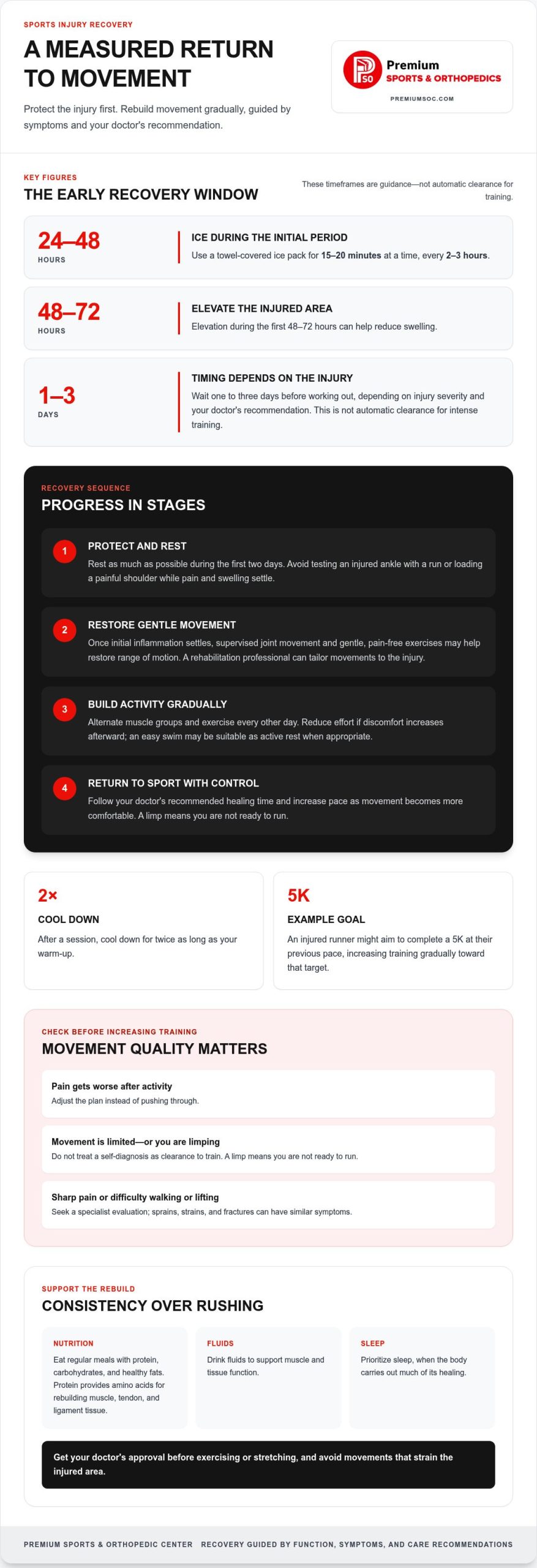
The fastest way back to activity isn’t to push through pain; it’s to give an injury the right care, then build movement back gradually. For the first 24-48 hours, use a towel-covered ice pack for 15-20 minutes every 2-3 hours, and elevate the injured area for the first 48-72 hours to help reduce swelling. Learning how to recover from a sports injury faster also means following a return-to-exercise plan shaped by the injury and your doctor’s recommendation.
It’s frustrating to pause training when you want to return to your sport. A steady, well-paced recovery helps rebuild strength and mobility without rushing back before your body is ready.
This article covers practical recovery exercises, safe ways to stay active, how massage therapy may fit into care, and signs that it’s time for a sports medicine evaluation. You’ll also learn how athletes at every level can approach recovery with patience and a clear plan.
Key Takeaways
- Choose rest when the injury needs it, then progress to gentle movement and guided exercises instead of staying inactive for too long.
- Return to sport gradually, paying attention to pain and movement quality before increasing training intensity.
- Massage therapy may be part of a recovery plan for managing injury-related discomfort and stiffness.
- Seek a sports medicine evaluation for sharp pain, limited movement, or difficulty walking or lifting, so care can match the injury.
1. What are common recovery exercises for athletes?
After a sports injury, rest as much as possible during the first 2 days. Premium Sports & Orthopedic Center advises waiting one to three days before working out after an injury, depending on its severity and a doctor’s recommendation. That timing signals when to consider activity, not automatic clearance for intense training.
Protect the injured tissue while swelling and pain settle. During the first 24-48 hours, apply a towel-covered ice pack for 15-20 minutes every 2-3 hours. Elevate the area for the first 48-72 hours to help reduce swelling. Avoid testing an injured ankle with a run or loading a painful shoulder during this early period.
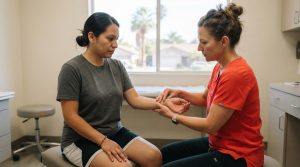
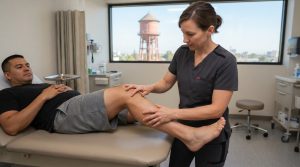
Staying completely inactive for too long can create new problems. Once initial inflammation settles, supervised joint movement can help restore range of motion. Gentle, pain-free movements may improve circulation, ease stiffness, and help prevent muscle loss. A rehabilitation professional can tailor exercises, such as controlled knee bends or shoulder movements, to the injury.
Build activity gradually instead of treating recovery as a race. Alternate muscle groups and exercise every other day, reducing effort if discomfort increases afterward. Light activity, such as an easy swim, may work as active rest when appropriate. Get your doctor’s approval before exercising or stretching, and avoid movements that strain the injured area.
For athletes asking how to recover from sports injury faster, consistent support for tissue repair matters. Eat regular meals with protein, carbohydrates, and healthy fats. Protein provides amino acids for rebuilding muscle, tendon, and ligament tissue. Drink fluids to support muscle and tissue function, and prioritize sleep, when the body carries out much of its healing.
Prolonged rest can weaken muscles, stiffen joints, and reduce coordination and joint control, making a return to activity harder. A practical way to recover from sports injury faster is to rebuild strength and flexibility with sound technique, not to train through pain. Aim for manageable progress, and seek guidance if activity worsens your symptoms.
2. Safe return to activity and injury prevention
Sprains, strains, and fractures can cause similar symptoms, so pain alone may not tell you what happened. Sharp pain, reduced range of motion, or difficulty walking or lifting warrants a specialist evaluation for possible tissue damage. Don’t treat a self-diagnosis as clearance to train.
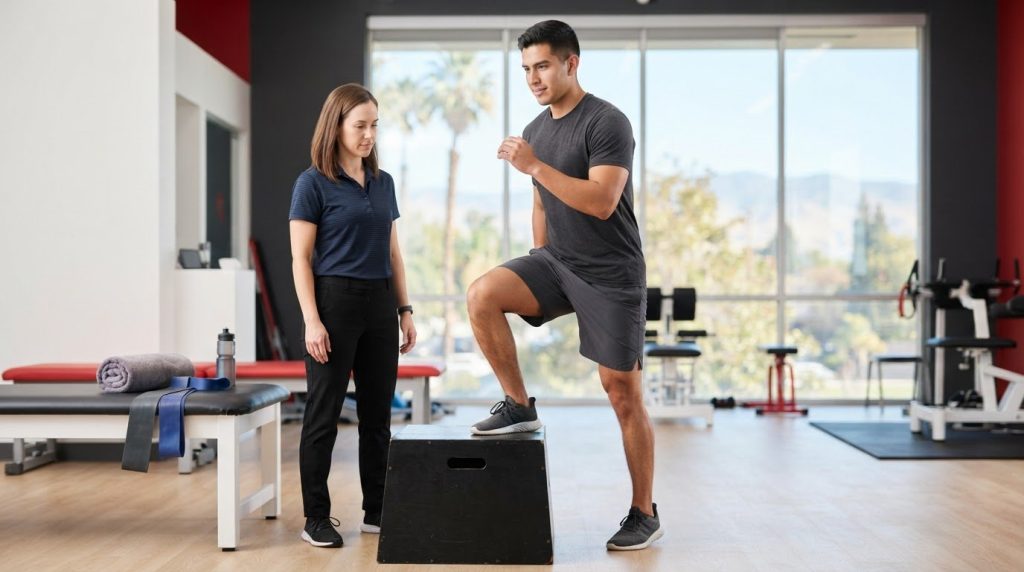
Return to activity by rebuilding function gradually, not by jumping straight into full training. Follow your doctor’s recommended healing time, then increase your pace as movement becomes more comfortable. A limp means you’re not ready to run. If pain worsens after activity, adjust your plan instead of pushing through.
Prepare your body for each session with a warm-up that includes cardio or stretching. For example, ease into a jog before running faster, then cool down for twice as long as the warm-up. Technique matters too: consider whether excessive effort, poor form, or skipping a warm-up contributed to the injury.
Preventing another injury starts with recovering fully before returning to sport. Ease into unfamiliar activities and avoid doing too much too soon. Stretching can help maintain or improve movement patterns, while strength work helps rebuild muscle function. Together, these steps support control across the range of motion your sport requires.
Clear goals make progress easier to track. Set SMART goals: Specific, Measurable, Attainable, Relevant, and Time-Bound. For example, an injured runner might aim to complete a 5K at their previous pace, increasing training gradually toward that target. Isokinetic testing can measure muscle strength and help guide rehabilitation progress.
As you return to sport, pay attention to how the injured area responds during everyday movement and training. Keep a simple record of your activity, discomfort, and any changes afterward. Address persistent changes in your movement pattern before returning to sport. A tailored sports medicine consultation can assess your function and guide safe next steps.
Sprains, strains, and fractures can have similar symptoms, so pain alone can’t reliably distinguish them. A specialist evaluation can identify possible tissue damage.
3. Massage therapy for pain, swelling, and range of motion
Sports injuries often cause pain, swelling, and stiffness, but treatment depends on the injury. For a sprain, strain, or suspected ligament damage, start with an accurate assessment, then match care to the affected tissue and lost function. Physical therapy exercises can restore movement and rebuild strength; severe injuries may require surgery.
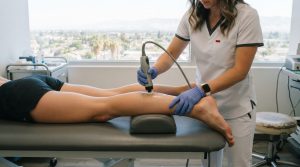
Massage may be part of a recovery plan when pain or stiffness makes movement difficult. Tell the therapist where you have symptoms and which motions feel restricted, such as turning a stiff shoulder or bending an injured knee. Treatment should suit the injury and stage of recovery. Massage shouldn’t replace assessment or exercises that restore range of motion.
Other therapies work in different ways. Hydrotherapy uses water to support movement while reducing strain. Cryotherapy moves blood from the extremities and skin toward vital organs to help warm the body. Photobiomodulation uses red and near-infrared light to target mitochondria in cells. These methods have distinct purposes, so clarify the goal: comfort, supported movement, or another part of rehabilitation.
Physical therapy can restore movement, build strength, and help prevent long-term complications after sports injury surgery. Before an operation, therapy may reduce swelling and improve strength. Afterward, exercises progress according to healing and function, rather than moving straight back to full training. Injury severity and lost function help shape decisions about surgery or therapy.
Pain relievers and supplements don’t replace treatment for the underlying injury. Their potential benefits and risks depend on the specific medicine or ingredient, other medications, and your health conditions. Before adding one, discuss it with a medical professional, especially if you already take medication.
After each treatment, track practical changes such as swelling, comfortable range of motion, and how the injured area responds to daily movement. Tell your therapist if pain or stiffness limits an exercise so the plan can be adjusted. A coordinated approach may combine massage, physical therapy, and other suitable treatments, with tissue healing and safe activity progression at its core.
4. When should you see a doctor for a sports injury?
Arrange an early medical evaluation if pain is sharp, movement is restricted, or walking or lifting becomes difficult. These signs may point to tissue damage that needs specialist assessment. A sports injury can involve a tendon, ligament, muscle, or bone, and symptoms alone may not show which structure is affected. Don’t guess and continue training, as this can delay an appropriate treatment plan.
An evaluation can help identify tendon injuries, stress reactions, ligament damage, and muscle tears. Explain how the injury happened, which movement triggers pain, and whether your function has changed. Difficulty raising an arm or bearing weight on a leg, for example, gives a clinician useful context. Also describe what activities you can still do. These details help distinguish movement limitations from discomfort during sport.
Care depends on injury severity and how much function you’ve lost. Some injuries may be managed with physical therapy; severe damage may call for considering surgery. Rehabilitation can also be part of care before or after an operation. A clinician can assess your movement and symptoms, then tailor treatment to the injury instead of relying on a generic return-to-sport timeline.
Don’t wait for recurring pain to become a familiar part of training. If the same movement brings discomfort back or everyday tasks remain difficult, pause the activity and seek an assessment. This matters when a shoulder injury makes lifting difficult or a leg injury changes your walking pattern. Early assessment can help protect the injured area and provide a clearer basis for planning recovery.
For persistent pain, restricted movement, or trouble walking or lifting, schedule a sports medicine consultation to discuss an appropriate evaluation and next steps.
Premium Sports & Orthopedic Center: Knee Pain
Premium Sports & Orthopedic Center provides orthopedic care and sports medicine consultations for people managing knee pain during recovery in the Fresno area. Consider an evaluation if pain, stiffness, or limited movement makes daily tasks or a gradual return to activity difficult. A consultation can assess the problem and guide next steps based on your symptoms and function.
The center also treats back, leg, and hand pain. If discomfort interferes with training or everyday movement, an individualized assessment can help clarify which care may suit your situation and recovery goals.
For support with persistent pain or an injury affecting movement, contact Premium Sports & Orthopedic Center or visit premiumsoc.com.
Build Your Next Step Around Lasting Progress
Returning to sport means more than reaching your familiar pace. It’s a chance to learn how to recover from a sports injury faster while building habits that support confidence, movement, and long-term function. Notice what you can do comfortably and let that progress guide your next steps, rather than comparing your recovery with someone else’s.
When pain continues to interfere with daily life or athletic goals, personalized orthopedic care can help identify what’s holding you back. In the Fresno area, Premium Sports & Orthopedic Center supports people with knee, back, and leg pain through care focused on their individual needs and active lives.
Take the next step toward a more confident return. Contact Premium Sports & Orthopedic Center to discuss your recovery needs. Every steady step forward is progress worth building on.
Frequently Asked Questions
How do professional athletes recover so fast?
Professional athletes often have access to sports scientists, coaches, and therapists, plus time devoted to rehabilitation. Their conditioning and coordinated support can help them adapt training as recovery progresses, but they don’t eliminate the time an injury needs to heal. Recreational athletes can use a similar approach by following a consistent plan, tracking symptoms, and adjusting activity instead of testing the injury repeatedly.
What are common recovery exercises for athletes?
Common options include controlled joint movements, gradual strengthening, and flexibility exercises selected for the injured area. For example, someone with a knee injury might practice a clinician-approved bend-and-straighten movement before attempting more demanding tasks. Exercises should reflect current mobility and the area’s response, not the full demands of a sport. A physical therapist can adjust technique and progression as function improves.
What is a recovery protocol in sports?
A sports recovery protocol is a structured plan to protect an injury, restore movement, rebuild strength, and progress toward sport. It adapts exercise and activity to the injury, symptoms, and everyday function. A runner’s plan, for instance, might progress from comfortable walking to running drills as movement allows. The sequence should follow clinical assessment and change if symptoms worsen during or after activity.
Why is rest and recovery important for athletes?
Rest gives the body time to repair tissue and adapt to rehabilitation instead of repeatedly absorbing strain. It also leaves room for sleep, adequate food, and hydration, which support normal recovery processes. Rest doesn’t mean staying inactive indefinitely. Too little movement for too long can make it harder to regain strength and control, so balance recovery periods with activity suited to your injury.
What should you do immediately after a sports injury?
Stop the activity, and don’t test the injury with another sprint, jump, or lift. Note which movement caused the problem, where symptoms occur, and which everyday tasks have become difficult. These details can help a clinician assess the injury. Arrange a medical evaluation for sharp pain, restricted movement, or difficulty walking or lifting instead of guessing and continuing to train.
How soon should you start physical therapy after a sports injury?
Physical therapy can begin when the injury and symptoms allow appropriate movement. Timing depends on severity and lost function. A clinician may first assess which movements are limited and which activities provoke symptoms. Therapy can also support recovery before and after surgery. Treatment may start with controlled movement, then progress to strength and tasks that prepare you for your sport.