 01 Nov 2026
Heel pain can feel sharpest before your day gets moving. Plantar fasciitis is irritation of the thick band of tissue connecting the heel bone to the toes. Plantar fasciitis treatment in Clovis may include activity changes, supportive footwear, stretching, and physical therapy to ease strain and support recovery. Pain often appears during the first few steps in the morning.
If heel pain is affecting your walking, exercise, or daily routine, understanding its possible cause is a useful first step. A healthcare professional can often assess plantar fasciitis through your symptoms, medical history, and a physical examination. Imaging may help rule out other causes of heel pain when needed. This guide covers common symptoms and contributing factors, how stretching and therapy can help, and what local orthopedic care may involve. It also explains how clinicians approach treatment options so you can understand possible next steps toward comfortable movement.
Key Takeaways
- Heel pain that’s strongest during your first steps may point to plantar fasciitis, but a clinical assessment can help distinguish it from other causes.
- Activity adjustments, supportive footwear, and hands-on soft-tissue care may help ease pressure on the heel.
- Targeted foot and calf stretches can improve flexibility, while strengthening exercises support the arch and movement.
- Learn what to expect from local orthopedic care and how physical therapy may fit into a plan for returning to everyday activity.
Manual therapy and soft-tissue mobilization
What medical treatments are available for plantar fasciitis? Care may combine physical therapy, stretching, supportive orthotics or shoe inserts, and, in selected cases, injections or shock wave therapy. The right approach depends on your symptoms, how they affect walking, and how your heel responds to conservative care.
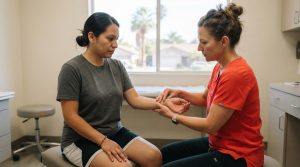
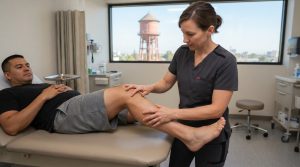
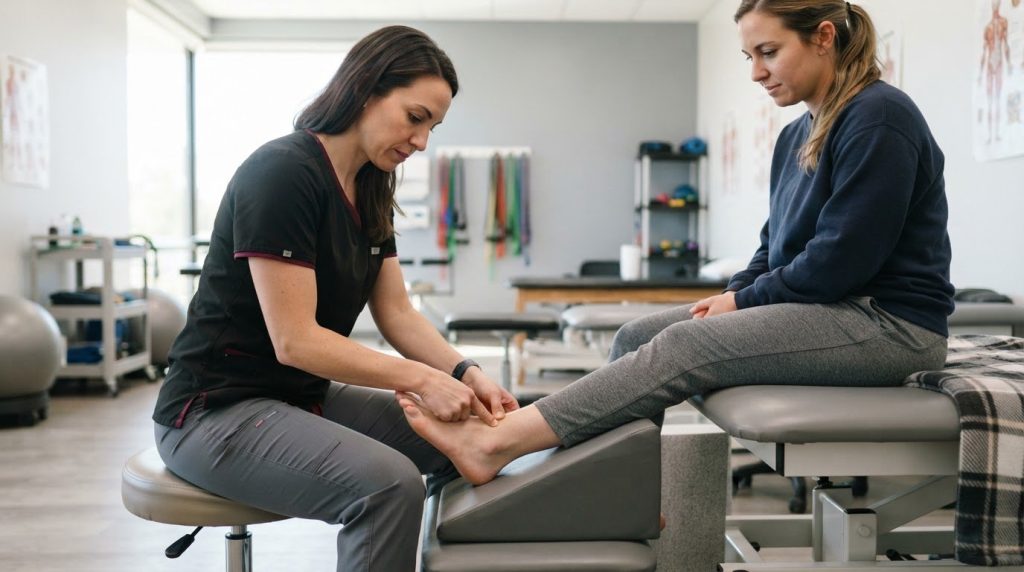
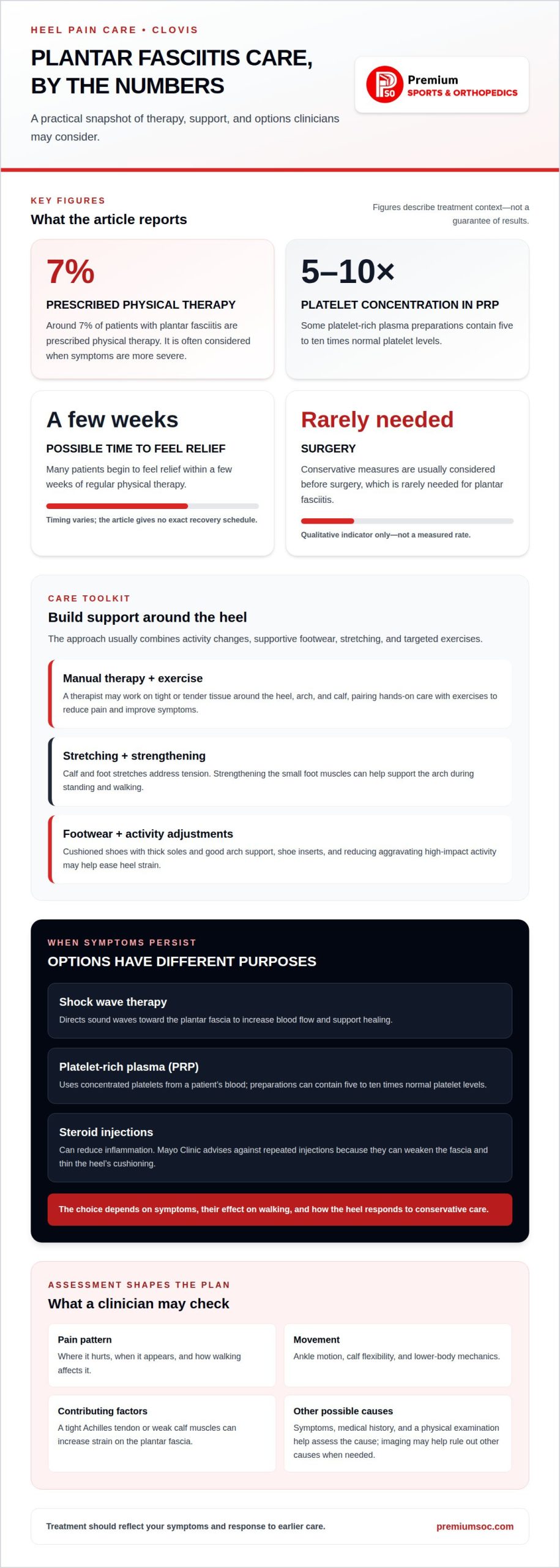
Manual therapy focuses on soft tissue around the heel, arch, and calf. A therapist can assess tender areas and use hands-on techniques to mobilize tight tissue and reduce strain during movement. This work may be paired with exercises, as combining manual therapy and exercise can reduce pain and improve symptoms. For example, calf tightness can add stress to the heel, so a session may address the calf as well as the sole of the foot.
Orthotics and shoe inserts offer another practical form of support. They cushion the heel and support the arch while the plantar fascia is strained. Supportive shoes with thick soles, cushioning, and good arch support can complement therapy. If activity aggravates the painful area, reducing high-impact movements may give the tissue a chance to settle. These measures are usually considered before surgery, which is rarely needed for plantar fasciitis.
For persistent symptoms, clinicians may discuss injections or extracorporeal shock wave therapy. Shock wave treatment directs sound waves toward the plantar fascia to increase blood flow and support healing. Platelet-rich plasma, or PRP, uses concentrated platelets from a patient’s blood; preparations can contain five to ten times normal platelet levels. Steroid injections can reduce inflammation, but Mayo Clinic advises against repeated injections because they can weaken the fascia and thin the heel’s cushioning. Each option serves a different purpose, so the choice should reflect your symptoms and response to earlier care.
Mayo Clinic notes that wearing shoes suited to the activity may help reduce the risk of plantar fasciitis. For example, running shoes should not be worn for court sports such as basketball or tennis.
Physical therapy and stretching
The most effective approach usually combines activity changes, supportive footwear, stretching, and targeted exercises. Therapy can address calf tightness, foot weakness, and movement patterns that load the heel. Around 7% of patients with plantar fasciitis are prescribed physical therapy, and it’s often considered when symptoms are more severe.
A clinical assessment begins with your medical history and a physical examination. The clinician checks where the bottom of your foot hurts, when pain appears, and how walking affects it. They may also assess ankle motion, calf flexibility, and lower-body mechanics. A tight Achilles tendon or weak calf muscles, for example, can increase strain on the plantar fascia. These findings help shape exercises to your needs instead of relying on a generic routine.
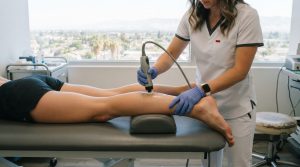
Physical therapy can combine hands-on treatment with exercises to improve flexibility and strength. Calf and foot stretches ease tension through the lower leg and sole, while strengthening the small foot muscles can support the arch during standing and walking. A therapist can demonstrate each movement, adjust your form, and progress the exercises as your comfort and control improve. Therapeutic ultrasound or electrical stimulation may also be used to manage pain and support the body’s repair process.
At home, follow the movements and frequency prescribed for your condition. A gentle calf stretch against a wall, for example, targets the back of the lower leg; a seated foot stretch can address tension along the sole. Stop any movement that sharply increases pain, and discuss adjustments at your next session. Consistency matters: many patients begin to feel relief within a few weeks of regular physical therapy.
Choose a plan that considers both the painful heel and the muscles that influence each step. For focused support, explore physical therapy for heel pain as part of your path toward steadier walking.
What is plantar fasciitis?
Plantar fasciitis involves irritation of the tissue band running between the heel bone and toes. Its symptoms can help distinguish this common source of heel pain from other causes.
Plantar Fascia Inflammation and Heel Pain
The plantar fascia supports the foot’s arch and absorbs force during standing and walking. Repeated stress can irritate the tissue, causing inflammation and sharp pain where the fascia meets the heel bone. Pain may affect one or both feet. A healthcare professional can review your history and examine your foot to assess the likely cause and rule out other problems.
Morning and Other Heel-Pain Symptoms
Morning pain is often strongest during the first few steps after the foot has rested overnight. Heel discomfort may also occur after sitting for a long time, standing for extended periods, or exercising. Some people experience arch pain or stiffness, heel swelling, or Achilles tendon tightness. Note when symptoms start and what activity came before them; those details help describe the pattern.
Over-the-counter pain relievers, including ibuprofen or naproxen, may help manage pain and inflammation. Follow the medicine’s label and consider your health conditions and other medications before using it. A clinician can assess persistent or worsening heel pain and determine whether another cause needs evaluation. Most cases can be assessed through symptoms, medical history, and a physical examination.
To reduce the chance of symptoms returning, gradually limit activities that strain the foot, keep up with prescribed stretches, and choose supportive shoes suited to each activity. Mayo Clinic notes that running shoes aren’t suited to court sports such as basketball or tennis. After a flare settles, return to higher-impact activity progressively rather than abruptly increasing the load on your heel.
Plantar fasciitis affects two million people every year. Heel pain may feel sharp and stabbing when pressure is placed on the heel, and discomfort may worsen after exercise rather than during it.
Doctors treating plantar fasciitis near Clovis
A doctor or podiatrist can assess heel pain when it interferes with walking, standing, or daily activities, or continues despite home care. When seeking plantar fasciitis treatment near Clovis, describe when the pain occurs, which activities aggravate it, and whether it limits work, exercise, or everyday movement. Sharp, stabbing pain deserves attention because other foot conditions can cause similar symptoms.
A clinician can review your history and examine your foot, heel, plantar fascia, and Achilles tendon. Most cases can be assessed through symptoms, history, and a physical examination. Imaging may help rule out another cause, such as a stress fracture, if examination findings indicate further evaluation. Bring notes about your symptoms and activity patterns to make the appointment more focused.
Ask how the proposed plan addresses your symptoms and movement goals. Care may begin with conservative options such as activity changes, stretching, supportive shoes, orthotics, or physical therapy. If symptoms persist, the clinician may discuss additional procedures after considering what you have already tried. Surgery is rarely needed. Mayo Clinic advises against repeated steroid injections because they can weaken the plantar fascia and thin the heel’s cushioning.
Treatment risks depend on the method selected. Repeated steroid injections, for example, can weaken the tissue band and reduce heel cushioning. Surgery can involve recovery and activity restrictions, so its role is generally limited to serious pain that has not improved with other care. Discuss the potential benefits and risks of each option in relation to your symptoms and daily activities.
Insurance coverage for plantar fasciitis treatment, orthotics, or physical therapy depends on your plan’s benefits, service category, and applicable authorization rules. Coverage may differ between therapy visits, custom inserts, and procedures. Review your plan’s terms to understand how it handles each type of care before arranging treatment.
For a focused next step, individuals traveling from the Clovis area can schedule an assessment in Fresno to discuss heel pain, movement limits, and treatment options. A personalized evaluation at Premium Sports & Orthopedic Center can help connect your symptoms with a practical care approach. Schedule an orthopedic assessment to discuss your concerns and goals.
Premium Sports & Orthopedic Center: Knee Pain
Premium Sports & Orthopedic Center provides orthopedic care and sports medicine consultations for people managing pain that limits movement. If heel discomfort continues to affect walking, exercise, or your return to activity, an orthopedic evaluation can assess the concern and help you discuss appropriate next steps.
Care should reflect how symptoms affect your daily routine and movement goals. A sports medicine consultation can help you understand treatment options and plan around your activity needs. The center also treats knee, back, leg, and hand pain, with care focused on how musculoskeletal concerns affect function.
For guidance on persistent pain or movement concerns, contact Premium Sports & Orthopedic Center.
Take Your Next Step Toward Comfortable Movement
Consider how heel discomfort is affecting your work, exercise, and everyday routines. A plantar fasciitis treatment plan in Clovis should connect your movement goals with care that addresses the pain getting in the way. If symptoms persist or keep you from activities you value, an orthopedic assessment can help you discuss suitable options, including physical therapy or sports medicine consultations.
Premium Sports & Orthopedic Center also treats knee pain, back pain, and leg pain, which can affect how you move through the day. Sharing the activities you want to return to can help keep your care discussion focused on your priorities.
Take a positive step toward clearer guidance and renewed confidence in movement. Contact Premium Sports & Orthopedic Center to discuss your orthopedic care needs.
Frequently Asked Questions
How long does recovery take?
Recovery often takes several weeks to a few months, depending on how long symptoms have lasted and how consistently you follow your care plan. Significant improvement commonly occurs within six to twelve weeks with treatment and home care. If symptoms have persisted for more than six months, full resolution may take three to six months. Track changes in walking comfort and daily activity.
What home remedies and stretches help plantar fasciitis pain?
Ice, activity adjustments, and gentle stretching can help manage heel discomfort at home. Mayo Clinic recommends icing the heel for 15 minutes, three or four times daily. A wall calf stretch or gently drawing your toes toward your shin while seated can target tightness. Choose supportive shoes, and consider lower-impact activities such as cycling while reducing painful exercise.
How long does plantar fasciitis take to heal with treatment?
With consistent treatment and home care, noticeable improvement commonly takes six to twelve weeks, though complete healing can take longer. Recovery depends partly on how long symptoms have been present and whether daily activities continue to strain the heel. Chronic cases lasting more than six months may take three to six months to fully resolve. Increase activity gradually as symptoms improve.
Which podiatrists or foot and ankle clinics in Clovis treat plantar fasciitis?
For plantar fasciitis treatment in Clovis, look for orthopedic care that evaluates heel pain and discusses practical treatment options. Premium Sports & Orthopedic Center provides orthopedic care, sports medicine consultations, and physical therapy for residents in the Clovis and Fresno areas. A consultation can address how symptoms affect your movement and help you consider an approach suited to your needs.