 23 Oct 2026
A young athlete shouldn’t have to push through worsening pain to stay in the game. Youth sports injury treatment in Fresno may be appropriate when pain or swelling persists, movement is difficult, symptoms worsen, or an injury keeps a child from normal activities. An obvious deformity, suspected fracture or dislocation, inability to bear weight after a significant injury, severe pain or swelling, or serious head or neck symptoms calls for urgent evaluation.
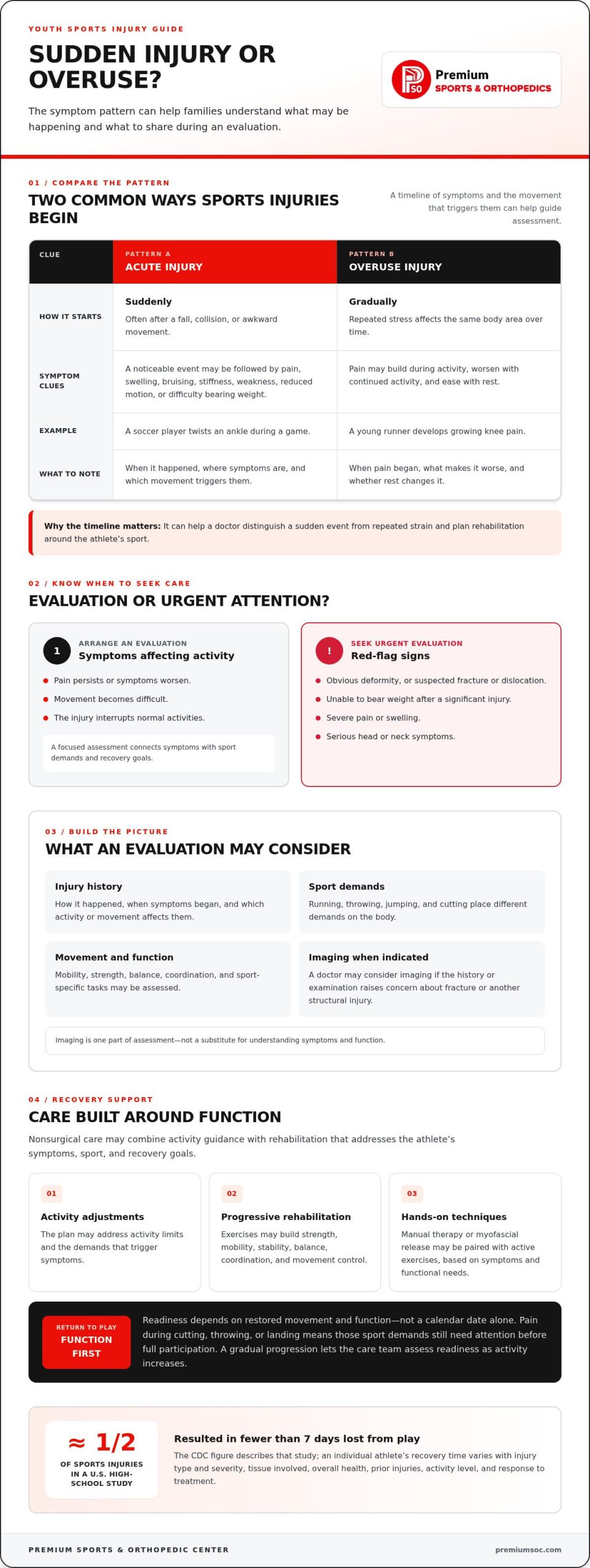
It’s understandable to hope soreness will settle with rest, especially after a demanding practice or game. But pain that develops gradually, worsens during activity, and eases with rest can point to an overuse injury. A sudden injury may follow a fall, collision, or awkward movement. Recognizing the difference can help families decide what to do next.
This guide explains when a young athlete may need specialized sports medicine care, what nonsurgical approaches can support recovery, and how an individualized evaluation can help shape a safe return to activity. You’ll also learn how training habits, rest, and changes in movement can help families spot warning signs and reduce the risk of future injuries.
Key Takeaways
- Learn to distinguish sudden injuries from overuse problems that build gradually, so you can respond to the pattern of your young athlete’s symptoms.
- Recognize when persistent pain, worsening symptoms, or difficulty moving calls for specialized evaluation, and when an injury needs urgent attention.
- See how nonsurgical care can support recovery by addressing strength, mobility, balance, and movement.
- Use an individualized assessment to guide activity adjustments, return-to-play progress, and practical injury-prevention habits.
- Explore how care for knee pain may help families take a focused next step when an athlete’s symptoms affect training or everyday movement.
What is considered a sports injury?
A sports injury is pain or damage linked to athletics or physical activity, including practice, competition, and conditioning. An acute injury starts suddenly, often after a fall, collision, or awkward movement. An overuse injury develops gradually when repeated stress affects the same body area. A young runner with growing knee pain, for example, may need a different assessment from a soccer player who twists an ankle during a game.
Symptoms can include pain, tenderness, swelling, bruising, stiffness, weakness, reduced motion, or difficulty bearing weight. Notice when symptoms began, which movement triggers them, and whether rest changes them. That timeline helps a doctor distinguish a sudden event from repeated strain and plan rehabilitation around the athlete’s sport. The Centers for Disease Control and Prevention (CDC) reports that approximately half of sports injuries in a U.S. high-school study resulted in fewer than 7 days lost from play.
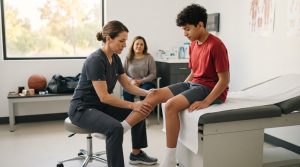
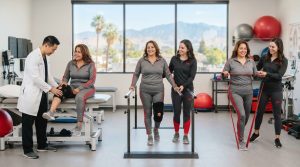
Outpatient physical therapy can connect injury assessment with a structured return to activity. In a Fresno clinic, a physical therapist may assess movement, strength, balance, and sport-specific tasks, then coordinate exercises with the doctor’s diagnosis and activity guidance. A basketball player recovering from an ankle injury might progress from controlled balance work to jumping and directional changes. Each step builds function before full-speed play.
Medi-Cal and major-plan participation varies by clinic and insurance plan. Fresno families can use their plan’s directory to find in-network outpatient providers for pediatric sports injuries. For physical therapy in Fresno, look for an outpatient clinic that can coordinate the treatment plan with the doctor and the athlete’s sport. Families can bring the injury timeline, current activity limits, and relevant medical notes to help the care team understand the situation.
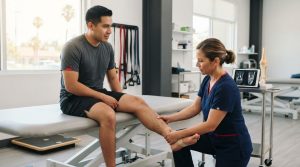
Hands-on care may also be part of rehabilitation. Manual therapy uses a therapist’s hands to address movement restrictions, while myofascial release applies sustained pressure to soft tissues. A therapist may pair these approaches with active exercises, such as gentle range-of-motion work followed by strengthening. Treatment should fit the athlete’s symptoms and functional needs, rather than relying on passive techniques alone.
Shockwave therapy is a nonsurgical option used to stimulate blood flow and support tissue repair in targeted areas. Whether it belongs in a treatment plan depends on the injury and recovery goals. Rehabilitation may also build strength, mobility, stability, balance, coordination, and movement control. Progress through these tasks helps shape a safe return-to-play plan and rebuild confidence in sport-specific movement.
Recovery time varies with the injury’s type and severity, the tissue involved, overall health, prior injuries, activity level, and response to treatment. Return to play should depend on restored movement and function, not a calendar date alone. A young athlete who still has pain when cutting, throwing, or landing needs those demands addressed before resuming full participation. A gradual progression lets the care team assess readiness as activity increases.
When Should I Seek Specialized Sports Medicine Care?
Arrange an evaluation when pain persists, movement becomes difficult, symptoms worsen, or an injury interrupts normal activities. A focused assessment connects the athlete’s symptoms with sport demands and recovery goals.
Injury and Performance Evaluation
An evaluation considers how the injury happened, where symptoms occur, and which movements affect performance. The athlete’s activity level matters: running, throwing, jumping, and cutting place different demands on the body. Parents can share when pain began, what worsens it, and which practices or games the athlete has missed. These details help guide assessment and prevention planning.
Imaging and Movement Assessments
A doctor may consider imaging when the injury history or examination raises concern about a fracture or other structural injury. Imaging is one part of assessment, not a substitute for understanding symptoms and function. Movement checks can reveal limits in mobility, balance, strength, or coordination. For example, difficulty landing steadily after a jump may point to a function that needs attention before full participation.
Referral for Sports Injuries
Parents can schedule an evaluation by contacting a Fresno pediatrician or sports medicine clinic and describing the injury, symptoms, and activity affected. Certified athletic trainers can provide initial care, help assess an injury, refer an athlete to a doctor or specialist, and support rehabilitation. They can also help determine readiness for a safe return to play, while personal trainers and massage therapists don’t provide medical diagnosis or clearance.
Diagnosis and Treatment in Fresno
Common youth sports injuries are assessed through the injury history, symptoms, and physical function; imaging may help when a doctor suspects structural damage. Treatment can include activity changes and rehabilitation focused on strength, mobility, stability, balance, coordination, and movement. For shoulder pain after repeated throwing, an evaluation can connect symptoms with throwing demands and help shape a recovery plan.
Seek urgent evaluation for an obvious deformity, suspected fracture or dislocation, inability to bear weight after a significant injury, or severe pain or swelling. Significant head or neck trauma, loss of consciousness, or sudden neurological symptoms also warrant urgent care. Stop an activity that causes significant or worsening pain rather than repeatedly pushing through it.
For guidance connecting activity-related symptoms with a care plan, explore a sports medicine consultation. A careful evaluation can help families understand the next steps toward recovery and confident participation.
Non-surgical treatment options
A nonsurgical plan can combine activity changes, rehabilitation, and hands-on care. The right mix depends on the injured tissue, symptoms, and the athlete’s recovery goals. For example, a runner with leg pain may need to modify running while rebuilding strength and movement control. Each treatment should support a specific functional goal, such as climbing stairs comfortably or returning to practice drills.
Building a Practical Treatment Plan
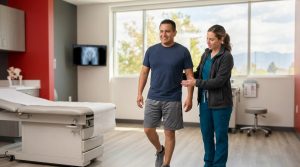
Rehabilitation can address strength, mobility, stability, balance, coordination, and movement. A physical therapist may begin with controlled exercises, then progress to sport-specific actions such as landing, pivoting, or throwing. Athletes should report which activities increase symptoms and how they feel afterward. That information helps the care team adjust exercise demands and activity guidance as recovery progresses.
Outpatient physical therapy provides a structured setting to practice exercises and track function over time. A therapist can demonstrate technique, observe movement, and adapt exercises if a task causes pain or feels unstable. For example, a young basketball player might work on controlled single-leg balance before practicing faster changes of direction. Progress should reflect demonstrated ability, not pressure to rejoin a team quickly.
Manual therapy and myofascial release may be considered as part of a broader rehabilitation approach. A therapist uses hands-on techniques to address soft-tissue or movement concerns, then pairs them with active work when appropriate. Parents can ask how a technique relates to the athlete’s specific limitation, such as restricted shoulder movement during throwing. Active participation remains important because practice builds usable strength and coordination.
When Injections Are Discussed
Some families ask about non-pharmaceutical injection options. An injection is a medical procedure, so discussion should start with the diagnosis, the athlete’s symptoms, and the intended treatment goal. Ask what structure is being targeted, how the option fits alongside rehabilitation, and what activity changes may follow the procedure. No injection approach is a universal solution for every sports injury.
Advanced treatments should match the injury, rather than simply sound more intensive. Shockwave therapy is used to stimulate blood flow and support tissue repair in targeted areas. A clinician weighs the injury and recovery goals when considering nonsurgical therapies. Families can ask how a proposed treatment supports the larger plan, what progress will be monitored, and how it connects to the athlete’s return to sport.
At each appointment, bring a clear account of symptom triggers, current activity, and changes since the last visit. Muscle recovery treatments may be one component of care, alongside exercise and activity guidance. If pain worsens during a drill, stop that activity and share the response with the care team. This gives patients and clinicians practical information to adjust treatment while supporting progress toward confident participation.
Individualized evaluation, treatment, and prevention programs
A useful care plan connects an athlete’s symptoms with sport demands, recovery goals, and injury risks. Fresno families can track symptoms and training changes to make each evaluation more informative.
Personalized Evaluation and Care Programs
A sports injury evaluation may consider pain, swelling, bruising, stiffness, weakness, reduced motion, and difficulty bearing weight. The clinician also considers the athlete’s activity level and how symptoms affect practice, games, and daily movement. For example, knee pain during running but not walking gives the care team a specific activity pattern to assess.
Individualized programs can combine treatment, activity recommendations, and prevention strategies. A provider may guide training modifications or rest based on the injury, while rehabilitation builds toward sport-specific movement. Session frequency varies with injury type, severity, and response to treatment. Families can ask how progress will be evaluated, which activities should change, and what skills the athlete needs before returning.
Certified athletic trainers can help assess injuries, provide initial care, refer athletes to doctors or specialists, and support rehabilitation. They can also help organize prevention programs and provide taping, bracing, or special equipment. Families can ask the school or team whether a certified athletic trainer supports their athletes and what injury-prevention resources are available.
Symptoms and Initial Injury Evaluation
Start by recording when symptoms began, which movement brings them on, and how they change with rest. Swelling, altered form, or declining interest in practice can signal a possible overuse injury. Pain that worsens during activity and improves with rest deserves attention, especially when there is no single injury event to explain it.
During an initial evaluation, describe recent practices, games, and training changes. Mention whether the athlete plays on multiple teams, since repeated demands can raise concerns about overuse. Children should avoid playing one sport year-round and take regular breaks while participating in other sports. Adequate rest between practices or games also supports injury prevention and recovery.
Families can make the discussion more useful by noting which movements have changed. A runner who shortens a stride, or a player whose throwing form shifts, may be compensating for discomfort. Stop an activity that causes significant or worsening pain instead of repeatedly pushing through it. These details help connect symptoms with movement demands and shape practical activity guidance.
For a child with back pain, seek examination by a medical doctor before chiropractic treatment. If symptoms interfere with normal movement or athletic function, an evaluation can help determine next steps, including activity changes, rehabilitation, or further orthopedic assessment. A clear record of symptoms and training gives the care team a stronger starting point for an individualized plan.
Fresno-area sports medicine specialists
For families seeking youth sports injury treatment in Fresno, the key is matching an athlete’s needs with the right clinical expertise. Sports-related soft-tissue and musculoskeletal injuries can affect strength, mobility, and everyday function. A useful starting point is identifying whether the athlete needs medical diagnosis, rehabilitation, or both. Persistent shoulder pain during throwing, for example, calls for assessment of symptoms alongside the demands of the sport.
Sports medicine doctors assess injuries and guide treatment options. Primary care sports medicine doctors complete 4 years of medical school and 3 years of general residency training; some complete 1 to 2 additional years of sports medicine fellowship training. Orthopedic sports medicine doctors complete 5 years of orthopedic residency and 1 year of additional study in sports medicine. These training paths offer different perspectives on diagnosis and musculoskeletal care.
Other specialists contribute distinct skills. Certified athletic trainers complete a 4-year college degree in athletic training. They can help assess injuries, provide initial care, refer athletes to doctors or other specialists, support rehabilitation, and help determine readiness for safe return to play. Physical therapists have at least a bachelor’s degree and can guide rehabilitation that rebuilds strength, mobility, balance, and movement control.
Families can describe the athlete’s sport, position, symptoms, and movements that cause difficulty. A soccer player with pain while changing direction has different functional demands from a swimmer with discomfort during an overhead stroke. Sharing these details connects an evaluation with sport-specific goals and helps track progress beyond whether pain has eased.
Specialized care should address both the injury and the athlete’s ability to participate safely. A treatment plan may pair medical assessment with rehabilitation, activity recommendations, and prevention strategies. Training modifications or rest can support recovery, while progressive exercises rebuild function for sport demands. Session frequency varies with injury type, severity, and response to treatment. For youth sports injury treatment in Fresno, families can focus on how the plan measures functional progress and supports sport-specific goals.
For a next step focused on activity-related pain and recovery goals, request a sports medicine consultation.
Premium Sports & Orthopedic Center: Knee Pain
Premium Sports & Orthopedic Center provides care for knee pain that affects a young athlete’s training, mobility, or everyday activities. A sports medicine consultation can connect symptoms with the demands of the athlete’s sport and identify appropriate next steps. The center also provides orthopedic care for musculoskeletal concerns that need focused evaluation and treatment.
Consider an appointment when knee discomfort persists, limits movement, or interferes with practice and recovery. Sharing when the pain began and which activities make it worse can help explain the problem and guide the discussion. The center also treats back, leg, and hand pain.
For support with a young athlete’s knee pain, contact Premium Sports & Orthopedic Center to discuss care.
Help Your Young Athlete Move Forward
The next step can be a thoughtful conversation about what your young athlete wants to return to, whether that’s running, practicing with teammates, or simply moving comfortably through the day. For families considering youth sports injury treatment in Fresno, involving the athlete in discussing goals can make recovery feel more manageable and focused.
Premium Sports & Orthopedic Center offers care for knee pain, back pain, and leg pain. If discomfort is affecting your child’s activity or daily routine, contact the team to discuss whether a sports medicine consultation or orthopedic care may fit their needs.
Contact Premium Sports & Orthopedic Center to take a considered next step. With the right support, young athletes can work toward returning to the activities that matter to them with renewed confidence.
Frequently Asked Questions
Should I stop exercising if something hurts?
Stop an activity if it causes significant or worsening pain instead of trying to push through. A young athlete can switch away from the painful drill and tell a parent, coach, or athletic trainer which movement triggered symptoms. Note whether discomfort returns during ordinary activities, too. That information can guide the next evaluation and help avoid repeating a movement that worsens symptoms.
What is the difference between an acute injury and an overuse injury?
An acute injury begins with a specific event, such as a collision during soccer or an awkward landing in basketball. An overuse injury develops as repeated training stresses the same area, such as a runner’s knee becoming sore over successive practices. The key distinction is the pattern: families can note whether symptoms began at one identifiable moment or appeared gradually during ongoing activity.
Where can youth athletes in Fresno get sports injury treatment?
Fresno-area athletes can seek an evaluation through a sports medicine consultation or orthopedic care. Premium Sports & Orthopedic Center provides sports medicine consultations, orthopedic care, and physical therapy for athletes and residents in the Fresno and Clovis areas. For a first appointment, prepare a brief account of the sport, symptoms, affected movements, and how the injury limits participation or daily activities.
Which Fresno clinics specialize in pediatric sports medicine and orthopedic injuries?
Premium Sports & Orthopedic Center provides sports medicine consultations and orthopedic care tailored to athletes in the Fresno area. Its services also include physical therapy to support recovery and function. Families seeking care for a young athlete can describe the child’s sport and injury during the appointment discussion, helping the care team understand the activity demands and symptoms affecting participation.
When should a child with a sports injury go to urgent care or the emergency room?
Seek urgent evaluation for an obvious deformity, suspected fracture or dislocation, inability to bear weight after a significant injury, or severe pain or swelling. Significant head or neck trauma, loss of consciousness, or sudden neurological symptoms also require urgent attention. These signs call for prompt assessment rather than waiting to see whether the child can return to practice or normal activities.
What are the risks of delaying treatment for a youth sports injury?
Delaying an evaluation can leave worsening symptoms or reduced function unaddressed, especially if pain keeps interrupting normal activity. A young athlete may also continue training in a way that repeatedly aggravates the problem. If pain increases with activity, note the movements involved and pause those that cause significant or worsening discomfort. An evaluation can help clarify activity guidance and recovery needs.
Are physical therapy and rehabilitation available for young athletes in Fresno?
Yes. Premium Sports & Orthopedic Center offers physical therapy and rehabilitation support for athletes in the Fresno area. Therapy can address goals such as restoring strength, mobility, balance, coordination, and sport-related movement. For example, a young athlete returning to a court sport may need to rebuild control during changes of direction. The plan can be tailored to the injury, function, and response to treatment.